Healthcare is a big challenge to the Ugandan community. With only 38% of healthcare posts filled in Uganda, the country suffers a chronic shortage of trained health workers – about 51% of people don’t have any contact with public healthcare facilities. Many rural Ugandans move a journey of about 20 kilometers to reach a health facility, oftentimes on foot (along roads) with no public transport. In Uganda, sanitation coverage is low; 17% in urban areas and 62% in rural areas – about 54% of households must travel 30 minutes or more to fetch drinking water.
The poor are more vulnerable to illnesses because they usually live in unhygienic conditions, have low levels of health awareness, fail to take preventive measures and may not afford to pay for diagnosis and effective treatment.
There is still a desperate need for a medical clinic to provide a much needed healthcare services. We are also planning to establish a medical clinic that will offer free healthcare services to OVCs and affordable quality health services to the communities; which will include health education, children weight-height monitoring, regular deworming, rapid testing (malaria, HIV/AIDS, syphilis, HCG, Hepatitis, Typhoid, gonorrhea, Candiasis, diabetes, etc.), self-testing kits and insulin for diabetic patients, basic treatment and referrals for those needing advance care to government health facilities in the region. Through the clinic, it will be easy to collaborate with international health professional (medical students) to organize mobile health interventions, and run family based micro-insurance for the vulnerable people.
Kirembe United Women Association believes that primary healthcare is a basic human right and recognizes that a healthy population is essential for growth, development, and prosperity in every society. We believe only ‘healthy people’ can break the poverty cycle. By establishing a strong foundation of healthcare and a solid infrastructure of good health in rural remote communities, we offer a chance to reverse the trend of poverty and create a brighter future.
OUR APPROACH
Our community health program ensure that all people access adequate, affordable and effective services through 3-fold prolonged approaches;-
Promote Preventative Knowledge
We are educating villagers on specific, pertinent health issues to help them self-diagnose, understand the root causes of diseases and the benefits of seeking early treatment learn clean birth practices, and recognize birth complication warning signs. Because many people use traditional remedies, we also advocate for integration of herbal medicine.
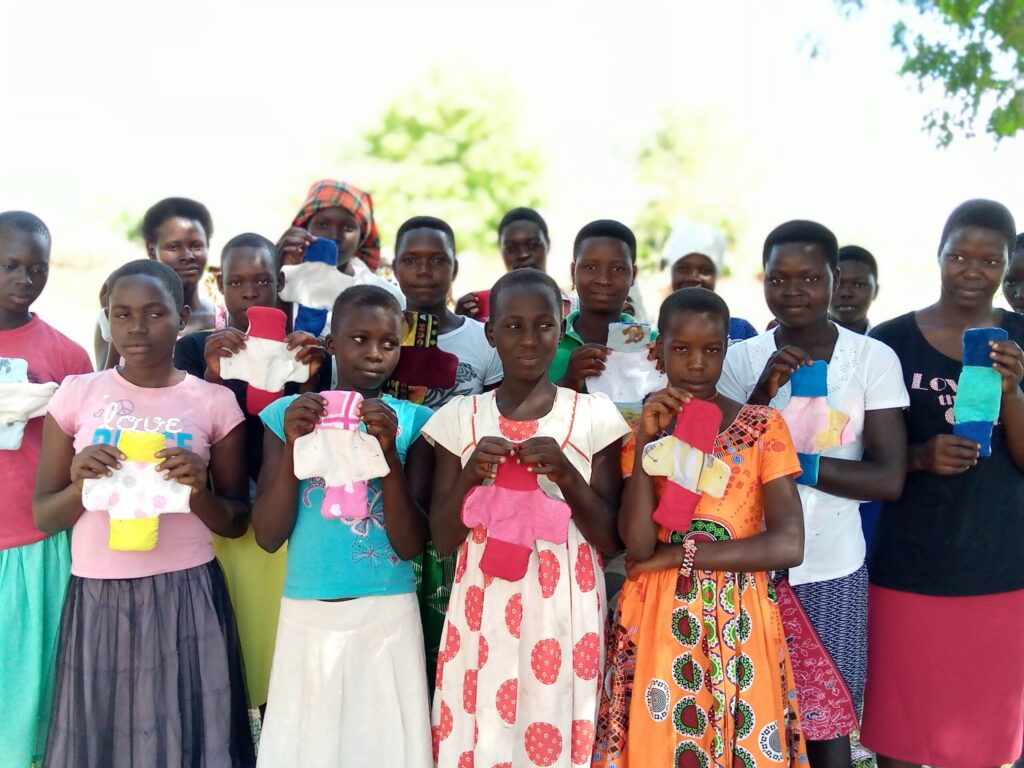
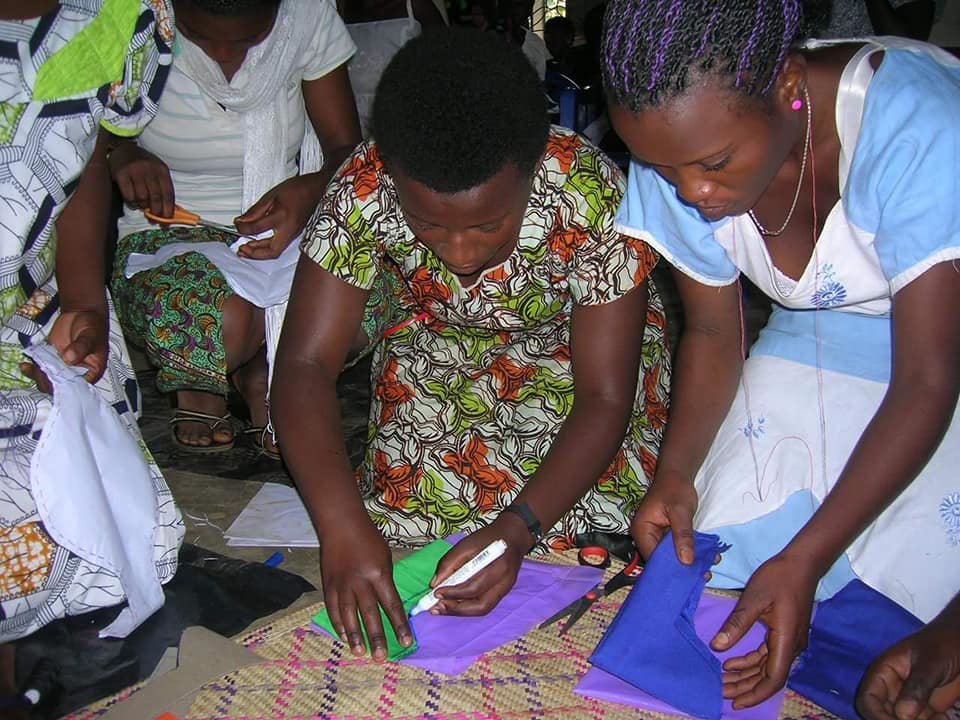
We are implementing water, sanitation, and hygiene (WASH program) through which we are supplying water filters and bringing clean water to communities; building appropriate toilets and hand-washing stations in schools; and working on the production and marketing of ‘cheap soap’ as key solutions in breaking the cycles disease spread.
Promote Demand for Quality Healthcare
We are educating villagers on the right to health and how they can hold their leaders accountable in promoting socio-health issues. We create awareness on the importance of early diagnosis and treatment; mobilize and partner with health facilities to implement community outreaches; we closely engage the village health teams (VHTs) who serve as a referral link between the community and Ugandan health facility; advocate for support to HIV+ people including educating them and their families on new approaches to AIDS management – the Differentiated Service Delivery Model (DSDM); and provide HIV/AIDS patients with transport to access ART for better health.
Promote Access To Healthcare
The problems that diminish the quality of care that public health centers can provide are widespread, from lack of equipment and supplies to a shortage of doctors. These problems have life and death implications for the community members served. We are partnering with health facilities in providing equipment and supplies to strengthen the public sector’s service delivery to thousands of people living in rural areas.