Until about 40 years ago the people of Uganda regularly ate a variety of millets. In the sixties, the Green Revolution – a national programme that led to the widespread use of high yielding crop varieties, irrigation, fertilizers and pesticides – led to a dramatic increase in food grain production in Uganda. However, it also focused on two main crops – sorghum and wheat – both of which have low water efficiency. Millets started to be seen as “food for the poor”, whilst their nutritional value and their suitability for the Uganda soil and climate were forgotten.
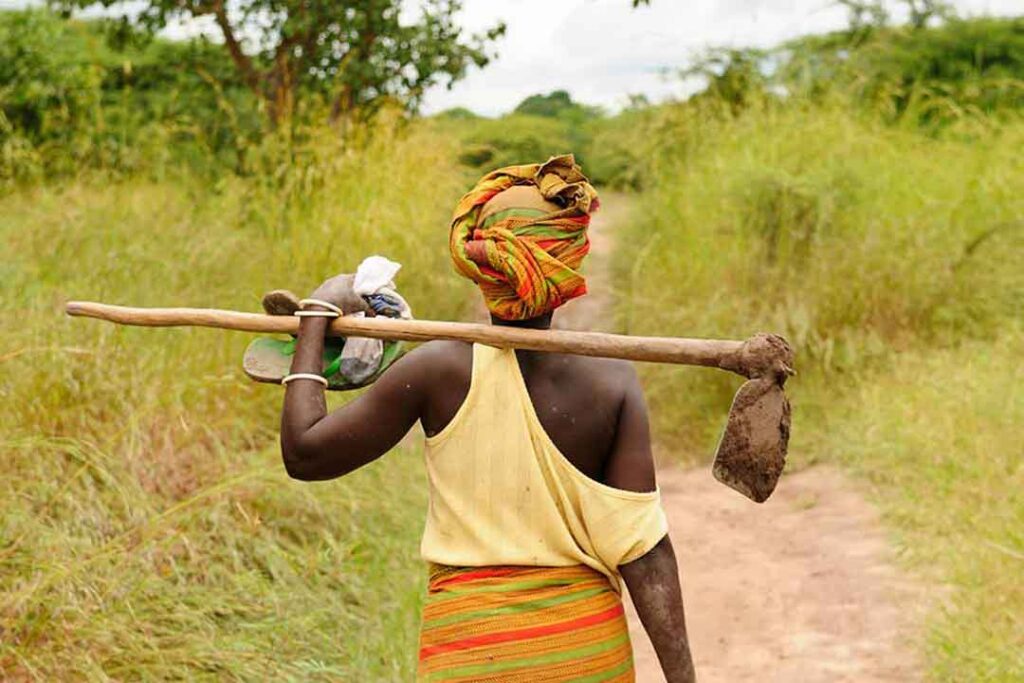
It is within this agricultural context we will train women farmers in sustainable and organic millet cultivation, soil and water management, weed management and the production and application of herbal pesticides, crop tonics and compost. The beneficiaries will be taken on a several study trips and will be introduced to efficient growing techniques. The project will have a 12 months’ implementation period and by the end of it, over 500 women of the beneficiaries will have developed their skills and knowledge enough to become trainers within their communities. They will take on the responsibility to work for the project sustainability and will also look after the seed banks established during the project in their communities.