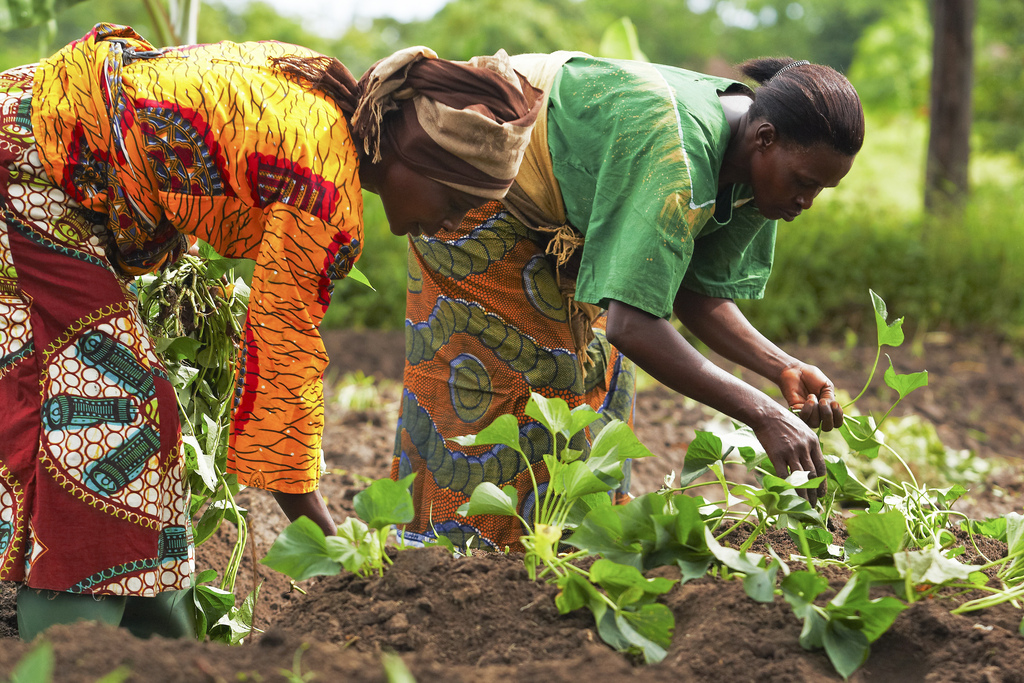
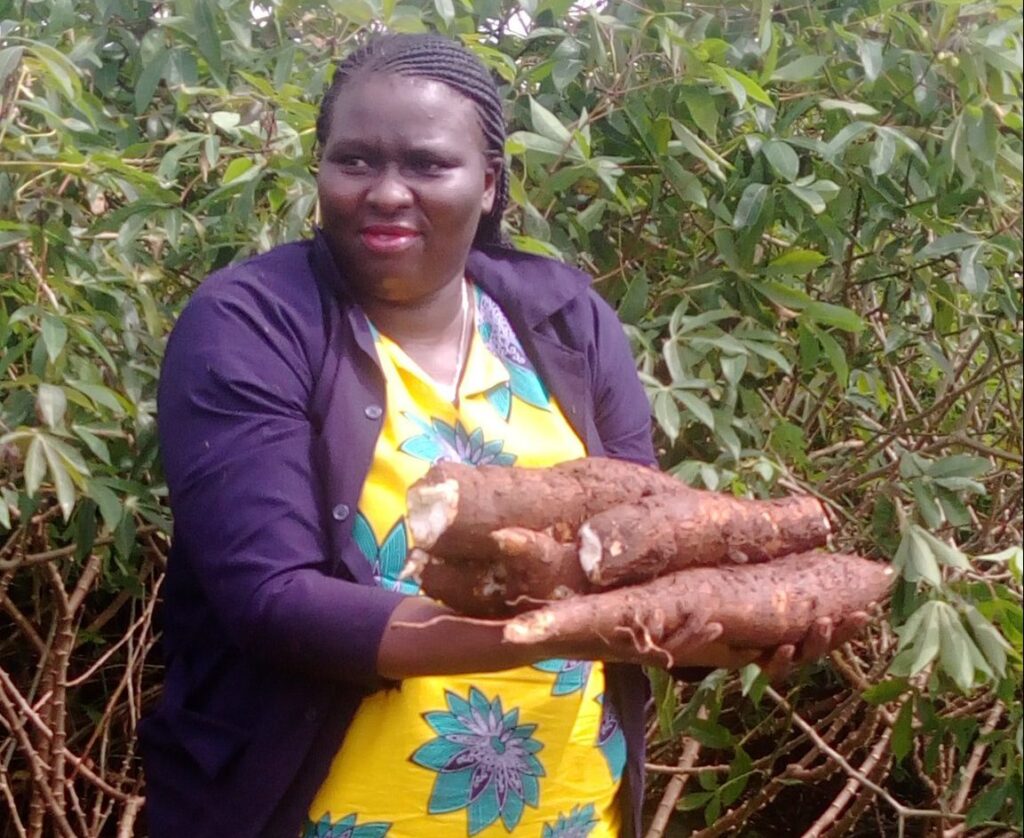
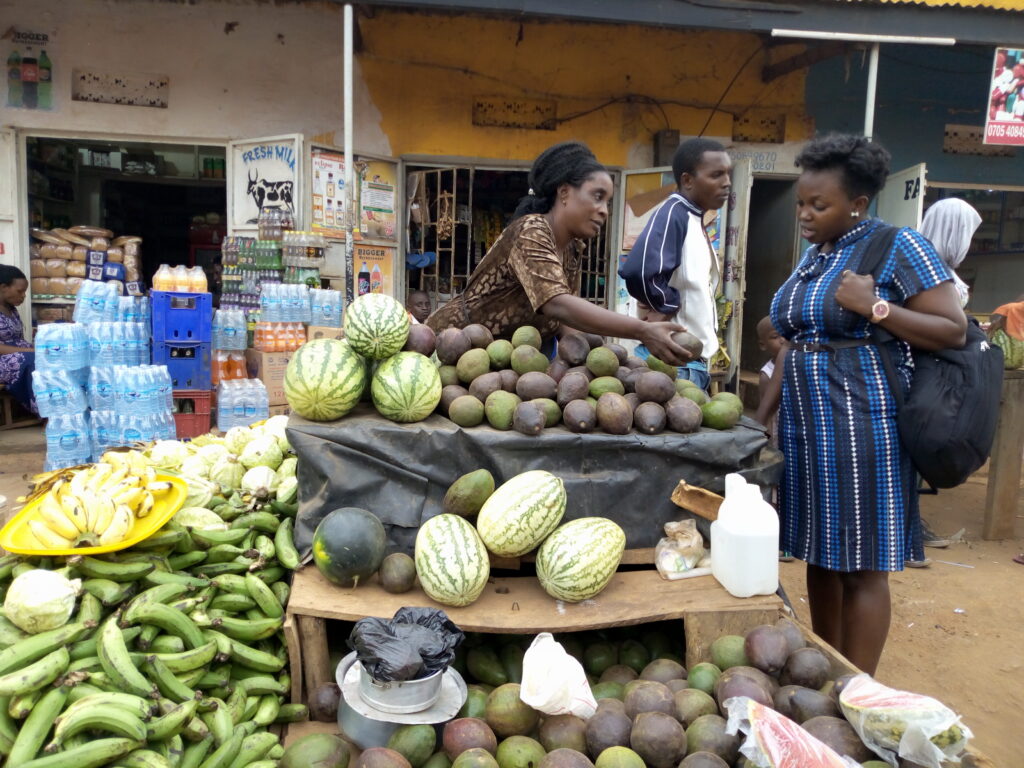
More people die each year from hunger and malnutrition than from AIDS, tuberculosis, and malaria combined. Because the Ugandan population is increasing rapidly, demand for more varied diets is also increasing, which calls for growing more food yet the land is already exhausted and degraded. Ugandans are facing increased costs constantly, but the yields continuously decline, and the people’s survival, livelihoods, and incomes are threatened.
Our Approach
Kirembe United Women Association is working to develop community-driven sustainable responses that address the three pillars of food security: food availability, food access, and food utilization. The efforts also contribute to the National Development Goals and SDGs, using the following cross-cutting interventions:
Teach resource-poor families how to manage small animals (poultry, pigs, goats, etc.) that can act as collateral for loan acquisition; support the families with integrating the animals into the farming systems; facilitate marketing of local produce through storage depots and linking producers to buyers; explore linking producers to micro-finance institutions (MFI) such that loans can be made available for those with produce in store waiting for better market prices.
Promote the beekeeping craft and aqualiculture to help poor farmers get higher yields from flowering crops (plants), while ensuring food security and responding to the rapid environmental degradation; in addition to pollination and fecundation, bees/beekeeping helps monitor environmental pollution, create employment, reduce poverty, and improve nutrition through the selling and consumption of honey.
Promote general awareness on environmental sustainability through a wide variety of activities such as promoting use of solar panels at our office, waste recycling (plastic and non-plastic), eco-tours and eco-photography competition.
Promote gender mainstreaming and effective engagement of women and youth in environmental activities.
Promote adoption of renewable energy technologies such solar, bicycle, and wind energy.
EDUCATION
The government provides free education under its Universal Primary Education (UPE) and Universal Secondary Education (USE) programs, but the poor still have trouble accessing quality education. Education is the only tool to eradicate poverty, so without educated young people, the communities will become poorer. Each additional year of educational attainment can reduce the risk of HIV infection and delay a woman’s first pregnancy. Educated women decide to have a skilled health worker present at their delivery 84% of the time — which translates to a higher chance of survival for mother and baby.
As quality education is virtually inaccessible to the poor, Kirembe United Women Association is working on developing a school to orphans and vulnerable children, while providing an affordable, quality education to the other children would initiate a profound change to the impoverished, ultimately catalyzing lasting benefit for generations to come. The school would provide access to low-cost quality education, and double as community hub for educational support services in impoverished areas; creating new opportunities for employment and literacy promotion.
Our approach:
Kirembe United Women Association has started a programme of supporting orphans and Vulnerable and children. Currently we are supporting 50 vulnerable children in accessing formal education in Bukonzo east, Bukonzo west and Kasese municipality. We offer them with scholarstic materials i.e. books, pens, mathematical sets, shoes, clothes/uniforms, beddings and other necessary materials. But our financial capacity is still limited to meet all requirements and therefore any coin donated counts a lot.